Commercial solar power installation: a complete guide for businesses
For many UK businesses, the roof is no longer just a roof. It can become a quiet, productive part of the company—generating electricity, reducing exposure to rising energy prices and showing customers that sustainability is more than a line in a brochure.
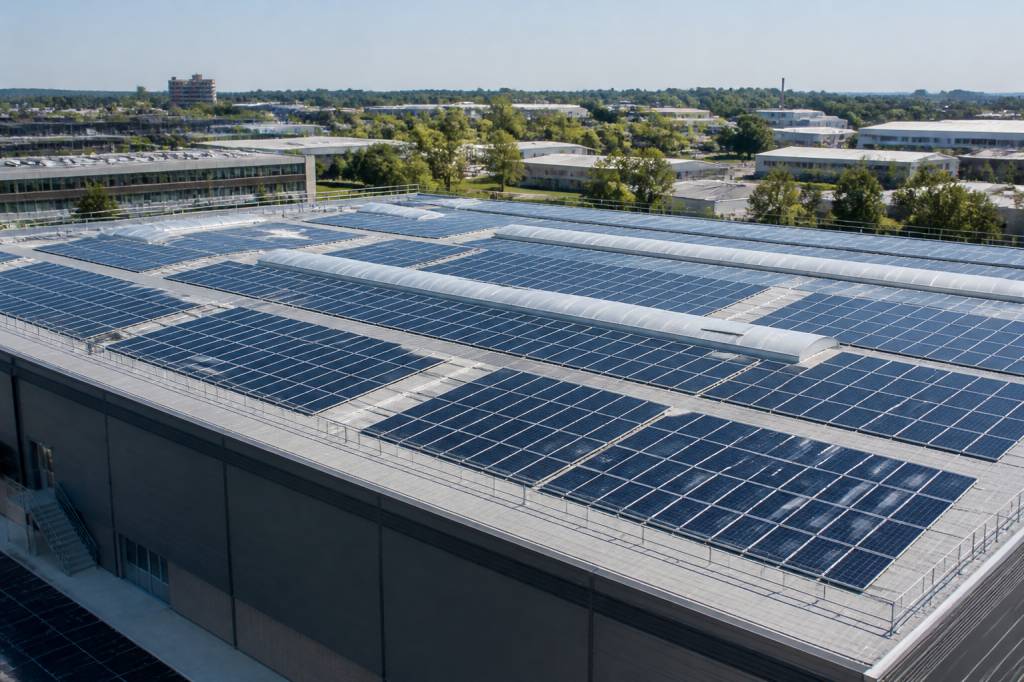
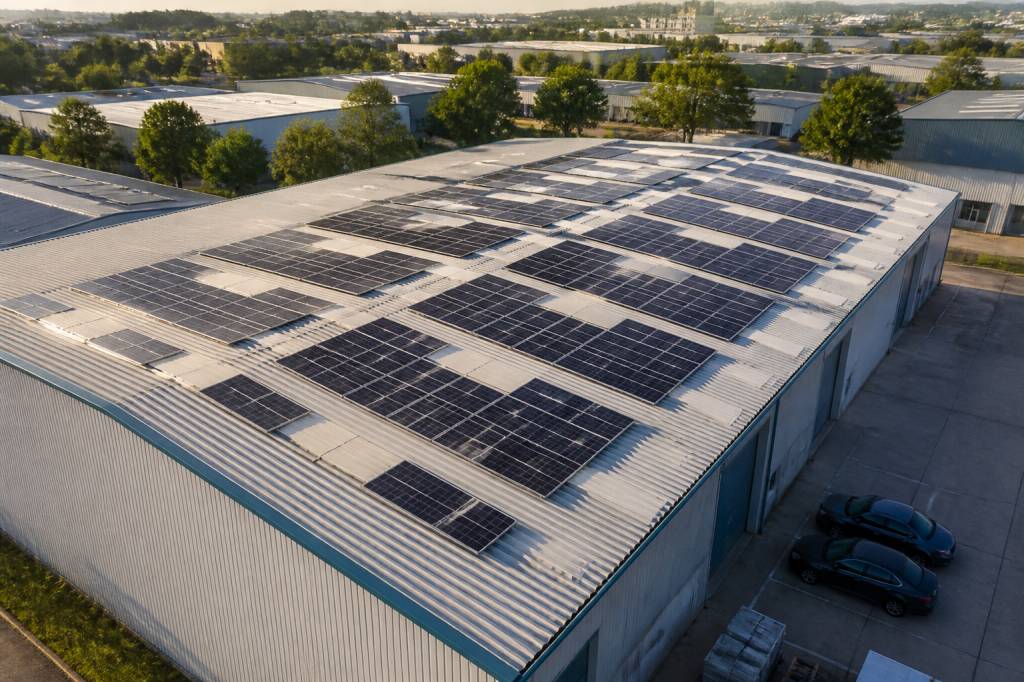
Commercial solar power installation has moved well beyond the realm of large corporations. Warehouses, farms, offices, retail units, schools, workshops and industrial sites can all benefit from generating clean electricity on-site. The key is understanding how the process works, what the investment involves and whether solar panels are suitable for your business premises.
After more than a decade working around renewable energy, I have seen many businesses approach solar with the same initial question: “Will it really make a difference?” In most cases, the answer depends less on the size of the roof than on how well the system is designed around the company’s daily energy habits.
Why are businesses turning to commercial solar power?
Electricity is one of the largest operating costs for many organisations. A business that uses power during daylight hours is particularly well placed to benefit from solar generation, because the electricity produced by the panels can be consumed immediately on-site.
Unlike a domestic property, a commercial building often has lighting, computers, refrigeration, machinery, heating systems or ventilation running throughout the working day. This daytime demand matches the natural rhythm of solar generation rather neatly—the sun does the work while the business is open.
Commercial solar can help businesses:
- Reduce electricity bills by generating power on-site
- Protect against future energy price increases
- Lower carbon emissions and improve environmental performance
- Make better use of unused roof or land space
- Strengthen sustainability credentials with customers and investors
- Support corporate social responsibility and net-zero targets
- Potentially generate income by exporting surplus electricity
Solar panels will not eliminate every energy bill. Most businesses still import electricity when demand is higher than solar production, particularly during winter or outside daylight hours. However, reducing the amount of electricity purchased from the grid can have a meaningful impact over the lifetime of a system.
How does a commercial solar PV system work?
Commercial solar installations generally use photovoltaic, or PV, panels. These panels convert sunlight into direct current electricity. An inverter then changes this into alternating current, which is the type of electricity used by the building.
The basic process is simple:
- Solar panels capture energy from daylight
- The inverter converts the electricity into a usable form
- Electricity is used by the business in real time
- Surplus power may be stored in batteries or exported to the grid
- The system is monitored to track generation and performance
It is worth remembering that solar panels do not need bright sunshine to work. They generate electricity in overcast conditions too, although output is lower than on a clear day. The familiar grey UK sky may not look like a renewable energy powerhouse, but modern panels are remarkably good at making use of diffuse daylight.
Is your commercial property suitable for solar panels?
A professional survey is essential before any installation is designed. Several factors influence the performance, cost and practicality of a commercial solar system.
Roof condition and structure
The roof must be strong enough to support the panels and mounting equipment. Its age is also important. Installing solar on a roof that needs replacing soon can create unnecessary disruption and additional costs. In some cases, it is more sensible to repair or replace the roof first.
A structural assessment may be required, particularly for large systems or buildings with older construction. Flat roofs, pitched roofs and metal roofs can all accommodate solar, but each needs an appropriate mounting solution.
Orientation and shading
South-facing roofs are traditionally considered ideal in the UK, but east- and west-facing roofs can also perform well. An east-facing array may produce more electricity in the morning, while a west-facing array can generate more in the afternoon. For businesses with long operating hours, this broader generation profile can be useful.
Shading from nearby buildings, chimneys, trees or rooftop equipment should be assessed carefully. Even partial shading can affect the output of a panel string, although modern systems using optimisers or microinverters can reduce this effect.
Available space
Commercial roofs are often large, but not every section can be covered. Access routes, skylights, ventilation equipment, fire safety requirements and maintenance zones must all be considered. A good design uses the available space intelligently rather than simply filling every possible square metre.
Business electricity demand
Your electricity consumption profile is one of the most important pieces of the puzzle. A business using substantial power during daylight hours may achieve stronger savings through self-consumption. A site that is empty during the day may benefit more from battery storage or a well-structured export arrangement.
At least 12 months of electricity bills and half-hourly consumption data can help an installer estimate the likely savings with much greater accuracy.
Choosing the right system size
It can be tempting to install the largest possible system. More panels mean more generation, after all. But the best system is not always the biggest one. It should reflect the building’s energy use, available budget, roof capacity and plans for the future.
A system may be designed to:
- Maximise on-site electricity consumption
- Generate as much renewable power as the roof allows
- Support a future electric vehicle charging fleet
- Provide energy for heat pumps or electric heating
- Export a proportion of generation to the grid
- Work alongside battery storage
For example, a food production company may use refrigeration and machinery throughout the day. Its solar electricity can be consumed almost immediately. A small office with low daytime demand may export more surplus power, making battery storage or load shifting worth considering.
This is why a quotation based only on roof size is not enough. Solar should be designed around how the business actually operates, not how the building looks from above.
What equipment is included in a commercial installation?
A commercial solar project normally includes more than panels fixed to a roof. The exact equipment depends on system size and site requirements, but a typical installation may contain:
- Solar PV modules
- One or more inverters
- Roof or ground mounting equipment
- DC and AC cabling
- Protection and isolation equipment
- Generation and performance monitoring
- Optional battery storage
- Grid connection and metering equipment
Commercial projects may use string inverters, central inverters or systems with module-level power electronics. The correct choice depends on the array layout, shading, system size and maintenance strategy.
Monitoring is especially valuable for businesses. A dashboard can show daily generation, electricity consumption, grid imports and exports. If performance suddenly drops, the issue can be investigated before a small fault becomes a larger one.
Should a business add battery storage?
Solar panels produce most of their electricity during the day, but businesses do not always use all of it immediately. Batteries store surplus generation so it can be used later, perhaps during evening operations, overnight security systems or early-morning production.
Battery storage can help to:
- Increase the percentage of solar power used on-site
- Reduce electricity imports during expensive periods
- Support operations when solar generation is low
- Reduce peak demand in certain tariff arrangements
- Provide additional resilience during grid interruptions, where suitable
However, batteries are not automatically the right choice for every business. They add cost, weight, complexity and eventual replacement considerations. A company with strong daytime consumption may gain better value by investing in additional panels or energy efficiency measures first.
The battery should be sized according to real consumption data rather than enthusiasm alone. A giant battery sitting half-empty is not a sign of energy independence; it is simply expensive furniture with cables.
Planning permission and grid connection in the UK
Many commercial rooftop solar installations can proceed under permitted development rights, but this is not guaranteed. Planning considerations may apply to listed buildings, conservation areas, sensitive locations, ground-mounted systems or installations that exceed certain limits.
It is important to check local requirements before work begins. A qualified installer should be able to identify potential planning issues and explain whether an application is needed.
The grid connection is another important step. Small systems may follow a simplified notification process, while larger installations can require approval from the local Distribution Network Operator, often known as the DNO. The DNO may assess whether the local network can accept the proposed generation and whether equipment upgrades are necessary.
Businesses should never assume that a large solar system can simply be connected because there is space on the roof. The electrical infrastructure has to be able to accommodate it safely.
How much does commercial solar installation cost?
The cost varies considerably. Factors include system size, roof access, mounting requirements, electrical upgrades, scaffolding, battery storage, monitoring and the complexity of the grid connection.
Commercial installations often benefit from economies of scale, meaning the cost per installed kilowatt can be lower than for a small domestic system. Nevertheless, the cheapest quotation is not necessarily the best investment.
When comparing proposals, look beyond the headline price. Check whether each quotation includes:
- Structural and electrical surveys
- Scaffolding and access equipment
- Planning and grid connection support
- Monitoring equipment
- Testing and certification
- Warranties for panels, inverters and workmanship
- Maintenance and fault response arrangements
- Expected annual generation and financial assumptions
A trustworthy installer should explain the assumptions behind projected savings. Be cautious of guarantees that seem too good to be true, particularly if they ignore seasonal variation, degradation, maintenance or changing electricity prices.
Payback, savings and return on investment
The financial return from commercial solar depends on several moving parts. The most important are the installation cost, electricity tariff, solar generation, level of self-consumption and export income.
Businesses usually save the most when they use solar electricity directly. Every unit consumed on-site is a unit that does not need to be purchased from the grid. Surplus electricity may be exported, but export payments are often lower than the price paid for imported electricity.
A robust financial assessment should include:
- Estimated annual solar generation
- Current and projected electricity prices
- Daytime electricity consumption
- Export assumptions
- Maintenance and insurance costs
- Panel performance degradation
- Financing costs, where applicable
- Expected system lifespan
Solar panels commonly operate for 25 years or more, although their output gradually decreases over time. Inverters may have a shorter expected lifespan and could require replacement during the system’s working life. These details should be included in long-term planning.
Funding a commercial solar project
Businesses can pay for an installation directly, use commercial finance or explore third-party ownership arrangements. The most suitable option depends on cash flow, tax position, appetite for ownership and long-term energy objectives.
Possible approaches include:
- Buying the system outright
- Using a business loan or asset finance
- Leasing the equipment
- Entering a power purchase agreement
- Working with an energy services company
Each arrangement has different implications for ownership, maintenance, accounting and the treatment of generated electricity. Professional financial and tax advice is sensible before signing a long-term agreement.
Finding a reliable commercial solar installer
The installer’s experience matters as much as the hardware. Commercial projects involve more planning, electrical coordination and safety considerations than many domestic installations.
Look for an installer that can provide:
- Relevant commercial project experience
- Evidence of appropriate electrical competence
- Clear warranties and aftercare support
- References from comparable businesses
- Detailed system designs rather than rough estimates
- Transparent information about assumptions and exclusions
Ask who will manage the project from survey to commissioning. A good installer should communicate clearly about timescales, access requirements, disruption and health and safety procedures. After all, the best solar system in the world is not much use if it brings your warehouse to a standstill for three weeks.
Keeping the system performing well
Solar PV systems are generally low maintenance, with no moving parts in the panels themselves. Even so, commercial systems should not be ignored after installation.
Regular monitoring can identify underperformance. Visual inspections may reveal damaged panels, loose cabling or issues caused by weather and rooftop activity. Cleaning is not always required in the UK, as rain removes much of the surface dirt, but it may be worthwhile for sites exposed to dust, agricultural residue or bird fouling.
Vegetation around ground-mounted systems should be managed, and access routes must remain clear. Businesses should also keep documentation, warranties and inspection records in a safe place.
Making solar part of a wider energy strategy
Solar works best when combined with sensible energy management. Before or alongside installation, businesses can reduce waste through LED lighting, improved insulation, efficient motors, smart heating controls and better equipment scheduling.
Electric vehicle charging, heat pumps and battery storage can all increase the value of solar by creating new ways to use clean electricity on-site. A company that plans to electrify its vehicle fleet in the next five years should tell its installer now. Today’s roof can be designed with tomorrow’s energy demand in mind.
Commercial solar is not a magic switch that solves every energy challenge. It is more like planting a productive orchard: the first steps require planning and investment, but the benefits can continue for many years with sensible care.
For businesses ready to reduce operating costs and take greater control of their energy supply, a professional solar assessment is a practical place to begin. The right system can turn an overlooked roof into a long-term business asset—quietly producing clean power every time daylight reaches the building.