Community Solar Projects in the UK: How Neighbours Can Share the Benefits of Renewable Energy
Community Solar Projects in the UK: Sharing Renewable Energy with Your Neighbours
Community solar projects in the UK are transforming the way households, tenants and small businesses access renewable energy. Instead of each roof hosting an individual system, neighbours can join forces around a shared solar installation and collectively benefit from clean power. This approach is gaining attention as electricity prices rise, climate concerns grow and more people are locked out of traditional rooftop solar.
In this article, we explore how community solar works in the UK, how neighbours can share costs and benefits, and what to check before joining or starting a local project. The focus is practical and factual, with a strong emphasis on real-world models, financial structures and regulatory context.
What Is a Community Solar Project in the UK?
A community solar project is a shared renewable energy installation that is owned, funded or managed collectively by a group of people or an organisation on their behalf. Instead of one homeowner paying for and owning a system, multiple participants contribute and benefit.
In the UK, community solar can take different forms:
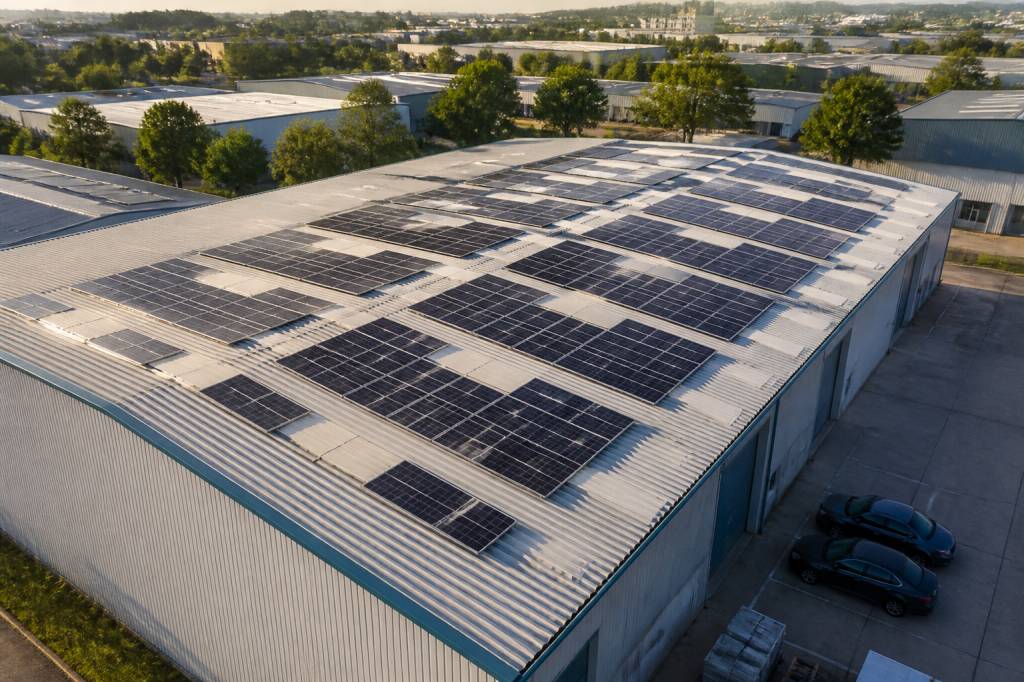
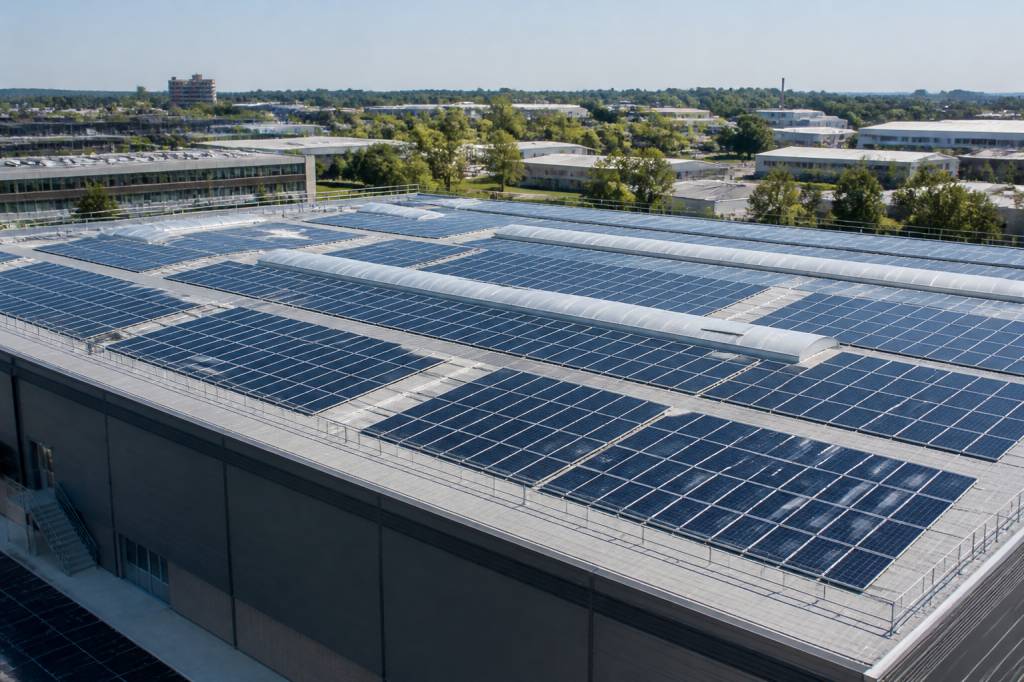
- A solar array on the roof of a school, village hall, church or community centre, funded by local residents.
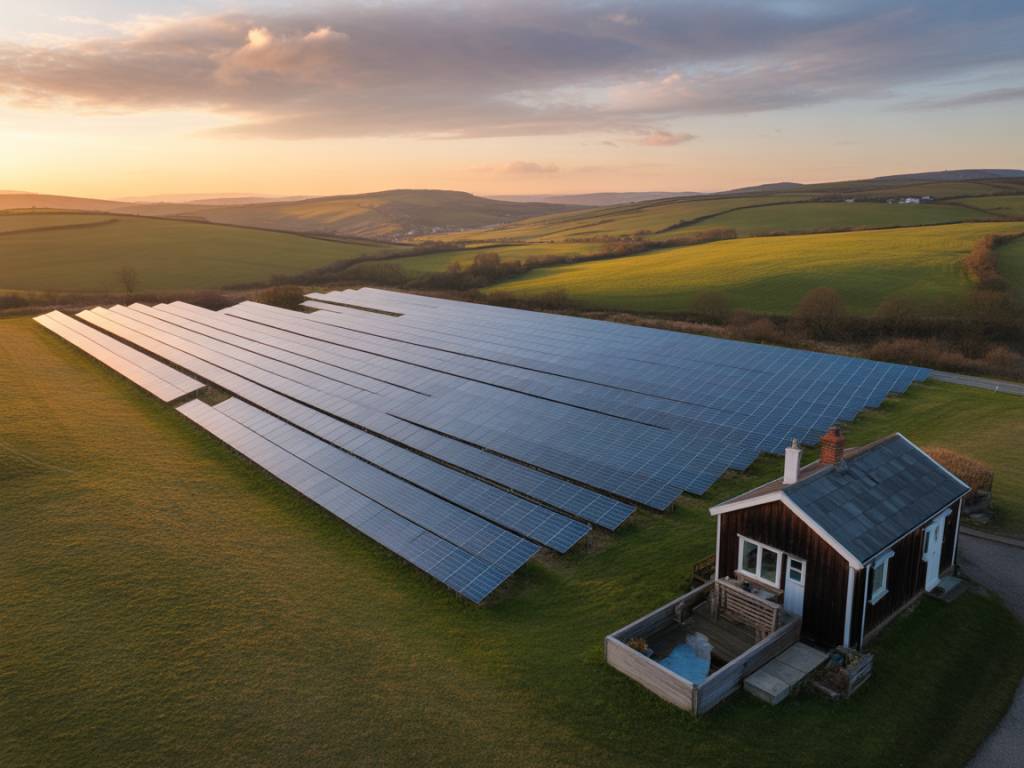
- A ground-mounted solar farm on farmland or brownfield land, partly owned by local people.
- A solar installation on social housing or apartment blocks, where tenants receive discounted electricity.
Although the buildings or land may belong to a council, housing association or private landlord, the project is structured so that the local community has a stake. That may be through share offers, community benefit societies or long-term power purchase agreements (PPAs) with local users.
How Neighbours Share the Benefits of Community Solar
The central idea behind community solar projects in the UK is that neighbours share benefits that would otherwise be reserved for building owners or large energy companies. These benefits can be financial, environmental and social.
Financial Benefits of Community Solar for Local Residents
Financial mechanisms can differ widely between projects, but several core models are emerging in the UK:
- Discounted electricity bills: Residents connected directly to a community solar installation may buy power at a lower price than the standard tariff. For example, tenants in a block of flats may pay a reduced unit rate during daylight hours.
- Community share offers: Local people can buy shares or bonds in a community benefit society that owns the solar array. In return, they receive annual interest, usually modest but stable, funded by the sale of electricity.
- Community benefit funds: Part of the revenue is allocated to a local fund. The money supports energy efficiency upgrades, fuel poverty initiatives, or other local projects such as insulation schemes or grants for low-income households.
These models mean that even neighbours without suitable roofs or without savings to install their own system can indirectly access solar energy and its economic benefits.
Environmental and Social Impact of UK Community Solar
Beyond the financial aspect, community solar generates measurable environmental gains. A typical small community rooftop project can save several tonnes of CO₂ emissions each year. A larger ground-mounted community solar farm can offset the emissions of hundreds of households.
There is also a strong social dimension. Community ownership and participation increase awareness of energy use and climate issues. Local people become directly involved in decision-making about where the panels are installed, how revenues are used and which households should be prioritised for support.
This local control contrasts with large, distant solar farms owned by private investors, where benefits do not always flow back to the surrounding communities.
Key Community Solar Models in the UK
The UK community energy sector has developed several recognisable structures for shared solar projects. The choice of model directly influences how neighbours participate and how risks and returns are divided.
- Community Benefit Society (CBS): Often used for larger projects, this legal form is specifically designed for enterprises that benefit the wider community. Members buy shares, elect a board and vote on key issues. Profits are reinvested or distributed via community benefit funds rather than purely maximising financial returns.
- Co-operative Society: Similar to a CBS but with a stronger emphasis on member benefit. Each member has one vote regardless of the number of shares held. Some solar co-ops in the UK have successfully funded rooftop arrays on schools and community halls using this model.
- Local Authority Partnerships: Councils may provide roofs, land or initial funding, while community groups handle engagement and governance. Revenues can be split between the council and a community organisation.
- Housing Association Projects: Social landlords host solar panels on their properties. Tenants gain discounted electricity, while the landlord or a community partner manages the assets and maintenance.
Each structure has implications for tax, regulation, investor protection and governance. Prospective participants should always review governing documents and financial projections carefully before investing.
How Community Solar Energy Reaches Neighbours
One common question is how electricity from community solar panels physically reaches neighbouring homes. The answer depends on the site.
- On-site consumption: If panels are on a shared building, such as a block of flats, the electricity is often used directly within the building. Landlords or managing agents may install smart meters and sub-metering systems so that tenants pay for locally produced energy at a special tariff.
- Private wire arrangements: In some projects, a private cable connects the solar array directly to a local user, such as a school or factory. Surplus power is exported to the grid; imported power tops up demand when solar is insufficient.
- Export to the grid with financial sharing: For many larger community solar farms, electricity is sold to the grid or via a PPA to an energy supplier. Residents then share in the revenues through community shares, bonds or benefit funds, even if they do not receive the electrons directly.
Technically, it is still challenging to attribute specific electrons on the national grid to certain customers. That is why most “shared” benefits are financial or contractual rather than physical.
Policy and Regulation: The UK Context for Community Solar
Community solar projects in the UK operate within a shifting policy landscape. The closure of the Feed-in Tariff (FiT) scheme in 2019 significantly changed the financial foundations of many early projects. Since then, new mechanisms have emerged.
The Smart Export Guarantee (SEG) now pays small generators for excess electricity exported to the grid. However, the rates are set by suppliers and are often modest. As a result, many community solar projects rely on long-term PPAs with businesses, schools or public bodies that are willing to buy green power at a predictable price.
Some devolved administrations and local authorities provide additional support through grants, technical assistance or favourable leasing terms for public roofs. Nevertheless, regulation around licensing, financial promotions and securities law remains complex. Community energy groups often partner with experienced intermediaries to navigate compliance.
Steps to Start a Local Community Solar Project
For neighbours interested in launching their own community solar scheme, a structured approach is essential. The early stages can be slow, but thorough groundwork reduces risk later.
- Identify suitable roofs or land: Look for large, unshaded roofs on schools, warehouses or community buildings. Check orientation, roof condition and ownership.
- Build a core group: A small, committed team of local volunteers is vital. Skills in project management, finance, communications and legal matters are especially valuable.
- Conduct a feasibility study: This includes solar yield assessments, structural surveys, grid connection enquiries and financial modelling based on realistic export or PPA prices.
- Choose a legal structure: Decide between a community benefit society, co-operative, charity, CIC or other form, based on the primary goals and desired governance model.
- Engage the community: Host public meetings, share clear information about risks and returns, and gather feedback on how revenues should be used locally.
- Secure finance: Options include community share offers, ethical banks, grants, local authority partnerships and, in some cases, crowdfunding platforms.
Professional support from established community energy organisations can reduce costs and help avoid common legal or technical pitfalls.
Buying Products to Support Community Solar in the UK
While the core of a community solar project is collective infrastructure, individual products still matter. The choice of solar panels, inverters, mounting systems and monitoring tools affects performance and maintenance costs. Many UK-based suppliers now offer equipment specifically tailored to community-scale systems.
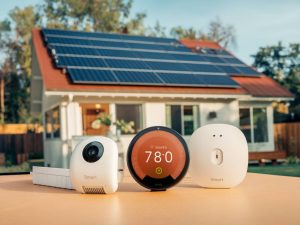
Residents who want to support local projects but cannot invest directly may opt for green energy tariffs that source from community generators, or purchase solar-related products such as home energy monitors, smart thermostats and battery storage. These devices can increase the value of locally generated renewable electricity by encouraging smarter consumption patterns.
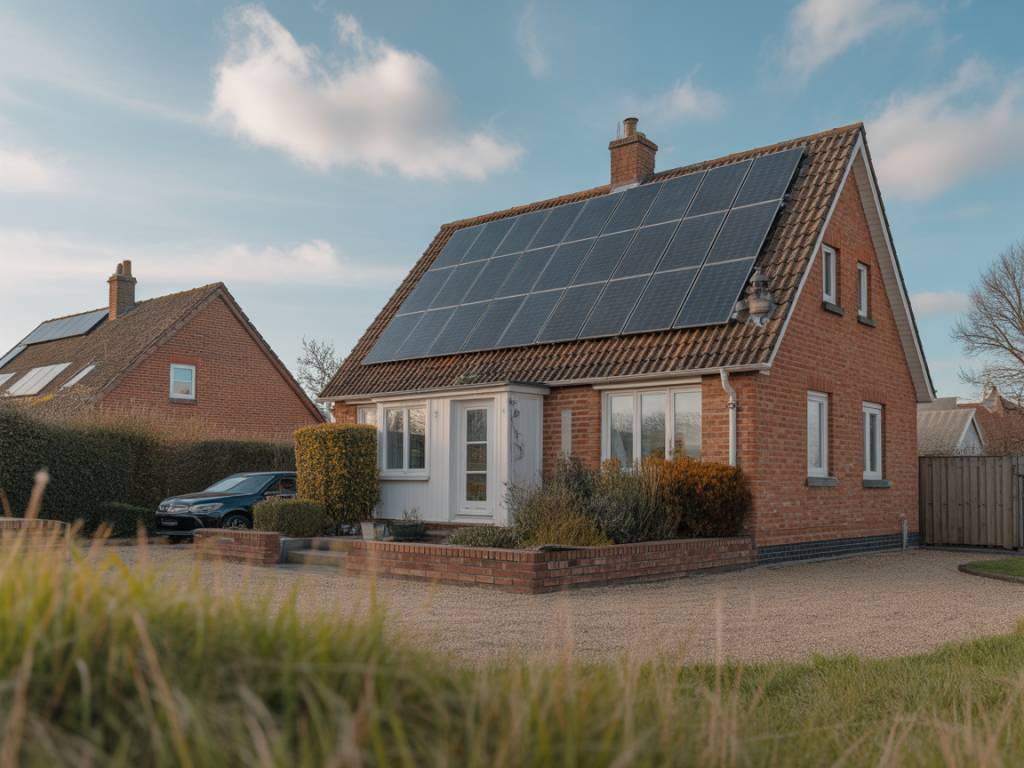
For homeowners with suitable roofs, installing a private solar PV system does not conflict with supporting community projects. On the contrary, a mix of individual and community solar can strengthen local resilience and normalise renewable energy in the neighbourhood.
Future Prospects for Community Solar Projects in the UK
The next few years are likely to bring new opportunities for community solar projects in the UK. Falling technology costs, increasing public concern about energy security, and innovations in local energy trading could all favour shared ownership and participation models.
Developments such as local flexibility markets, peer-to-peer energy platforms and “virtual power plants” could eventually allow neighbours to trade or share community-generated electricity more directly. Policy debates around local energy markets and grid access will be crucial in determining how far these models can scale.
For now, community solar remains one of the most tangible ways for neighbours in the UK to pool resources, invest in renewable energy and share its benefits fairly. By combining technical innovation with democratic governance, these projects offer a practical pathway toward a more decentralised and citizen-led energy system.