How Solar Energy Can Protect Homeowners from Rising Energy Prices in the UK
Solar Energy and Rising Energy Prices in the UK
Rising energy prices have become a major concern for homeowners across the UK. Gas and electricity bills have climbed sharply over the last few years, driven by volatile wholesale markets, geopolitical tensions, and the UK’s ongoing transition away from fossil fuels. In this context, residential solar energy is increasingly seen as a practical, long‑term way to protect households from unpredictable bills.
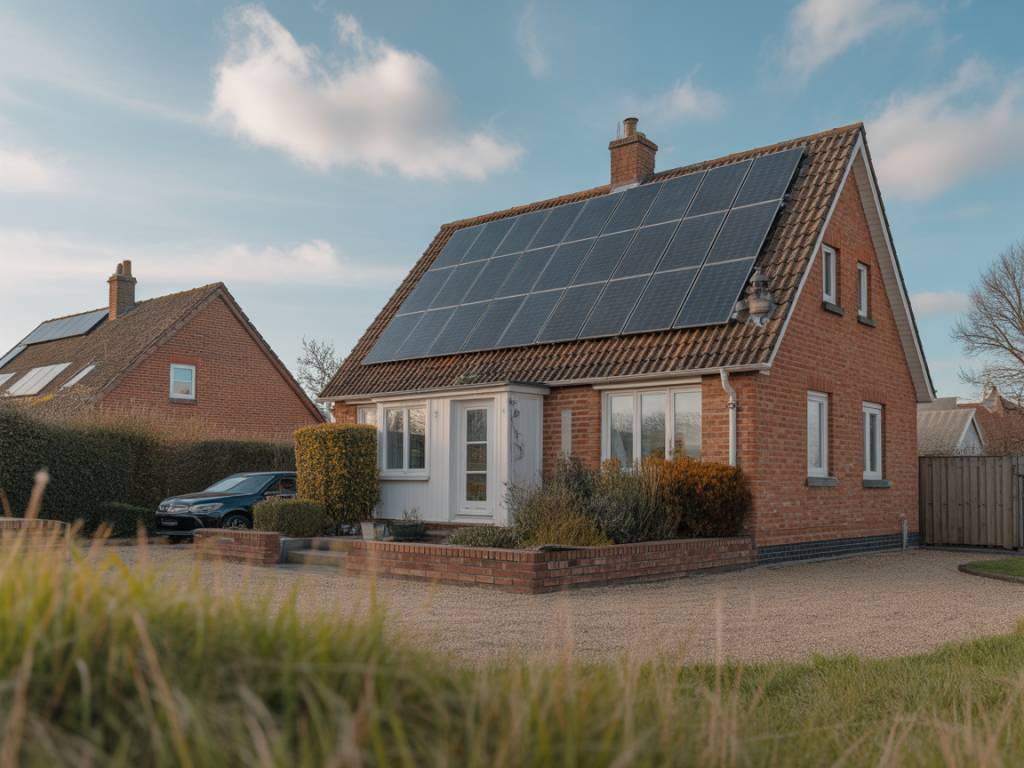
Installing solar panels gives homeowners a degree of energy independence. By generating a portion of their own electricity, they are less exposed to sudden tariff increases and market shocks. For many households, rooftop solar is no longer just an environmental choice; it is a financial strategy to stabilise energy costs over 20 to 25 years.
Why UK Energy Prices Are Rising
To understand how solar energy can protect homeowners, it helps to look at why energy prices are rising in the UK. Several structural and short‑term factors are at play:
- Dependence on gas: A large share of UK electricity is still generated from natural gas, which is traded on global markets and highly sensitive to supply disruptions.
- Geopolitical shocks: Events such as the war in Ukraine have pushed wholesale gas prices sharply higher, affecting both electricity and heating costs.
- Infrastructure and network costs: Upgrades to the grid, investment in renewable energy, and policy‑driven levies add to the final price paid by end consumers.
- Phasing out of cheap fossil generation: The gradual closure of coal plants and the cost of decarbonisation measures can also influence retail tariffs.
While price caps and government support mechanisms can soften the impact temporarily, they do not eliminate the underlying dependence on volatile fossil fuel markets. This is precisely where home solar panels can play a stabilising role.
How Solar Energy Shields Homeowners from Price Volatility
Solar energy helps protect homeowners from rising energy prices in a simple but powerful way: once solar panels are installed, the cost of the electricity they generate is effectively fixed. There are no fuel costs, no wholesale market bids, and no unexpected surcharges linked to gas or oil prices.
Instead, the “price” of your solar electricity is determined mainly by:
- The upfront cost of the solar panel system (including installation).
- Any ongoing maintenance, which is usually minimal for modern systems.
- The expected lifetime energy production of the system.
Spread over 20 to 25 years, the cost per kWh of solar energy is typically well below current grid electricity prices, especially during peak times. Every kilowatt‑hour you generate and consume on‑site is one less kilowatt‑hour you need to buy at the prevailing market rate. In periods of rapid price increases, this self‑consumption acts as a buffer.
Locking In Long‑Term Energy Savings with Solar Panels
Solar panels function like a long‑term hedge against energy inflation. By investing in a rooftop solar system today, homeowners are effectively locking in part of their future electricity costs at a stable, predictable rate.
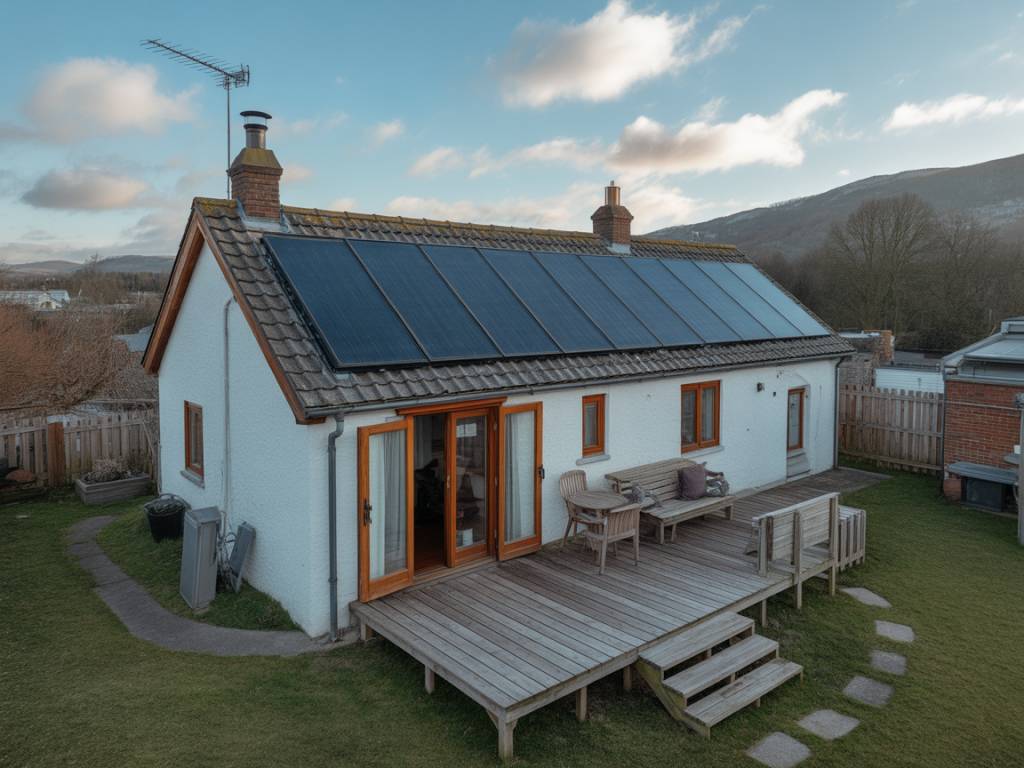
In the UK, typical domestic solar PV systems range between 3 kW and 6 kW. For a well‑sited home with good roof orientation, such a system can generate a significant portion of a household’s annual electricity demand. When combined with smart consumption habits—such as running appliances during daylight hours—the savings can be substantial.
Over the lifetime of the system, homeowners can reduce their exposure to:
- Annual tariff increases announced by energy suppliers.
- Seasonal price spikes during cold winters or supply constraints.
- Future policy changes that may affect levies or standing charges.
While no one can predict the exact trajectory of UK energy prices, the long‑term trend has historically been upward. Solar energy provides a counterweight to that trend by turning part of your roof into a small power plant with low and predictable running costs.
Solar Energy, Battery Storage and Greater Energy Independence
For UK homeowners, the combination of solar panels and home battery storage is becoming increasingly attractive. While solar panels generate electricity during the day, a battery stores surplus energy for use in the evening or at night, further reducing the need to buy from the grid at peak prices.
This pairing offers several advantages in the context of rising energy prices:
- Higher self‑consumption: More of the energy you generate is used within the home instead of being exported for a relatively low rate.
- Peak‑shaving: Battery systems can be configured to discharge when grid prices are highest, minimising the impact of expensive time‑of‑use tariffs.
- Resilience: During power cuts, some battery systems can provide backup power, adding another layer of security.
As time‑of‑use tariffs and dynamic pricing become more common in the UK, the ability to store and shift solar energy will play an increasingly important role in household energy strategies.
Government Incentives and Export Payments in the UK
Public policy also shapes how effectively solar can protect homeowners from rising bills. In the UK, while the original Feed‑in Tariff scheme has closed to new applicants, several mechanisms still support residential solar.
The key incentive today is the Smart Export Guarantee (SEG). Under the SEG, licensed electricity suppliers must offer a tariff to pay homeowners for the solar electricity they export back to the grid. Although rates vary between suppliers, this can generate a useful income stream that offsets some of the initial investment.
In addition, there have been:
- Zero or reduced VAT on certain residential solar and battery installations.
- Local grants or regional schemes in parts of the UK encouraging low‑carbon technologies.
- Green finance options, such as low‑interest loans or “pay‑as‑you‑save” models offered by some installers and financial institutions.
These incentives do not remove all costs, but they reduce the payback period and increase the effective rate of return, reinforcing solar’s role as protection against uncertain future tariffs.
The Financial Case for Solar Panels in a High‑Price Environment
With energy prices elevated, the payback period for solar installations in the UK has become more competitive. The more expensive grid electricity becomes, the more valuable each unit of self‑generated solar power is.
When assessing the financial case, homeowners typically look at:
- Installation cost: The total price of panels, inverter, mounting system, labour and optional battery storage.
- Annual energy savings: Based on current and forecasted electricity tariffs, as well as expected self‑consumption.
- Export income: Payments under the Smart Export Guarantee or other export arrangements.
- System lifespan and warranties: Most panels come with performance warranties of 20–25 years, while inverters usually have shorter guarantees.
In many UK scenarios, payback periods now fall in the range of 7 to 12 years for solar PV, depending on system size, location and consumption pattern. Given that panels can continue generating for two decades or more, the years after payback represent pure bill reduction and protection against further price rises.
Environmental Benefits That Support Long‑Term Energy Security
Although the focus here is financial protection, it is impossible to ignore the environmental dimension. By generating low‑carbon electricity on site, homeowners contribute to the decarbonisation of the UK power system. Over time, a higher share of renewable generation can reduce the country’s overall exposure to volatile fossil fuel markets.
This shift supports broader energy security goals:
- Lower dependence on imported fuels.
- Improved resilience of the grid through distributed generation.
- Reduced greenhouse gas emissions in line with UK net‑zero targets.
For many homeowners, the combination of lower bills, greater independence and a smaller carbon footprint makes solar energy especially compelling.
Key Considerations Before Installing Solar Panels in the UK
While solar energy offers strong protection against rising energy prices, it is not a universal solution for every property. Homeowners should consider several practical factors before committing to an installation.
- Roof orientation and shading: South‑facing roofs typically yield the highest output, but east‑ and west‑facing roofs can still be viable. Significant shading from trees or nearby buildings can reduce performance.
- Roof condition and space: The roof must be structurally sound and have sufficient area for the desired system size.
- Electricity consumption patterns: Households that use more energy during the day, or that can shift usage, will maximise self‑consumption and savings.
- Budget and financing: Upfront cost remains a barrier for some, but finance options and staged investments (adding batteries later, for example) can help.
A professional solar installer can provide a tailored assessment, including an estimate of annual generation, costs, savings and payback time. This allows homeowners to make an informed decision about how solar fits into their long‑term energy strategy.
Solar Energy as a Strategic Response to UK Energy Uncertainty
The current era of unstable and rising energy prices in the UK has pushed many homeowners to rethink how they power their homes. Solar panels, especially when combined with battery storage and smart energy management, offer a concrete way to regain control over part of their energy budget.
By turning an exposed cost—purchasing all electricity from the grid at fluctuating tariffs—into a partially fixed investment in on‑site generation, solar energy acts as a shield against future price shocks. For households concerned about the long‑term affordability of energy, solar is no longer a niche technology; it is an increasingly mainstream tool for financial resilience and energy independence.