How to Design a Solar-Powered Garden: Lighting, Water Features, and Outdoor Comfort
Why Create a Solar-Powered Garden for Lighting, Water Features, and Comfort
Designing a solar-powered garden is an effective way to combine aesthetics, sustainability, and long-term savings. With well-planned solar garden lighting, efficient solar water features, and smart solutions for outdoor comfort, you can transform any outdoor space into a self-sufficient oasis. This type of garden reduces your dependence on the grid, lowers your electricity bill, and showcases how renewable energy can be both beautiful and practical.
A solar-powered garden makes sense for small urban patios, suburban backyards, and large landscaped properties alike. Modern solar technology is more affordable and reliable than ever. Panels are more efficient, batteries store more energy, and integrated solar products for gardens are widely available. From simple solar path lights to advanced solar pumps and outdoor sockets, the range of options is growing fast.
Planning Your Solar Garden Layout and Energy Needs
Before you buy any equipment, spend time planning your solar garden design. Consider how the sun moves across your property, where you need lighting, and where water or comfort features would add the most value. A bit of preparation helps avoid dark spots, underpowered pumps, and poorly placed panels.
Start by walking through your garden at different times of day. Note sunny and shaded zones, especially between 10 a.m. and 4 p.m., which is usually when solar panels generate the most energy. Areas that receive at least 4–6 hours of direct sun per day are prime locations for solar panels or integrated garden fixtures.
Define your goals:
- Do you want mainly decorative solar garden lights for ambiance?
- Do you need functional lighting for paths, steps, and entrances?
- Are you planning a solar-powered fountain, waterfall, or pond aerator?
- Would you use solar energy to power garden tools, charge devices, or run small appliances outdoors?
List all planned features and estimate their energy needs. Many consumer products indicate wattage and expected daily runtime on the packaging. When in doubt, choose slightly more solar capacity than you think you will need. This buffer compensates for cloudy days, seasonal changes in sunlight, and natural losses in the system.
Solar Garden Lighting: Pathways, Accents, and Security
Effective solar garden lighting blends safety, functionality, and visual appeal. Modern solar lights come in a wide variety of styles and strengths, from subtle decorative lanterns to powerful floodlights with motion sensors. Choosing the right mix can transform your garden after dark.
For paths and walkways, opt for solar pathway stakes or bollard lights. These usually integrate a small panel and battery into the fixture. They are easy to install because they require no wiring. Simply place them along the edge of the path, spacing them evenly to avoid areas of shadow. Look for models with:
- Weather-resistant construction (IP65 or higher)
- Replaceable batteries for longer life
- Warm white LEDs (2700–3000 K) for a comfortable atmosphere
Accent lighting highlights key features such as trees, sculptures, or architectural elements. Solar spotlights and uplights are ideal here. Choose adjustable models so you can easily direct the beam. For a more decorative touch, string lights, lanterns, and solar-powered fairy lights can be draped over pergolas, shrubs, or fences. They create a soft, inviting glow that encourages people to spend more time outdoors.
Security and safety lighting should be brighter and more functional. Solar floodlights with motion sensors can illuminate entrances, driveways, and dark corners. Because they only switch on when movement is detected, they use less stored energy and can operate reliably even with limited sunlight. Many models allow you to adjust sensor sensitivity, light duration, and brightness.
If your lighting requirements are extensive, consider a small centralized solar panel with a battery that feeds several lighting circuits. This approach is more complex to install but can deliver more consistent performance than multiple small integrated lights.
Solar-Powered Water Features: Fountains, Ponds, and Irrigation
Water brings movement, sound, and freshness to any garden. With solar technology, you can power fountains, waterfalls, and even small irrigation systems without running cables or tapping into the household grid. A carefully designed solar water feature can become the focal point of your solar-powered garden.
Solar fountain kits are among the most popular products. They typically consist of a small pump and a solar panel connected by a cable. Some come with no battery, which means they only operate in direct sunlight. Others include a battery, providing a more stable flow of water and allowing operation in the evening or on cloudy days. When choosing a product, consider:
- The maximum flow rate (liters per hour) of the pump
- The height of the water jet you want to achieve
- The distance between the panel location and the water feature
- Whether you need battery storage for continuous operation
For ponds and natural pools, solar pumps can help with filtration and aeration. Fish and aquatic plants benefit from better oxygen levels, while moving water reduces the risk of algae and mosquitoes. In this case, reliability is critical. Oversizing the panel and including a quality battery and controller improves performance and protects the pump from voltage fluctuations.
Solar drip irrigation systems are another option for a truly self-sufficient garden. Small solar pumps can move collected rainwater from a tank to a network of drip lines or soaker hoses. Coupled with a timer, this setup can water raised beds, planters, and ornamental borders automatically. It reduces water waste and makes gardening easier during dry spells or holidays.
When integrating water features, always think about safety and maintenance. Ensure electrical connections in the garden are weatherproof. Clean pumps and filters regularly to maintain flow, and position your solar panel where it is easy to reach for occasional cleaning and inspection.
Outdoor Comfort with Solar Energy: Heating, Shade, and Power
A successful solar-powered garden is not just about how it looks, but also about how comfortable it is to use. By combining solar-powered comfort solutions such as fans, heaters, and charging stations, you can create an outdoor living area that remains pleasant from early spring to late autumn.
In warmer months, solar fans can improve airflow on a terrace, under a pergola, or inside a small greenhouse. Some models are fully integrated with mini solar panels, while others connect to a separate rooftop panel. Used correctly, they help reduce heat buildup and keep seating areas fresh.
For cooler evenings, low-power solar patio heaters and heated cushions are beginning to appear on the market. While they cannot match the intensity of large electric or gas heaters, they can extend your time outdoors when combined with blankets and wind protection. Alternatively, a small off-grid solar system can power conventional electric blankets or radiant panels.
Shade is another crucial element of outdoor comfort. Pergolas, awnings, or shade sails not only protect you from the sun, they also provide ideal mounting points for solar panels. Integrating solar modules into these structures maximizes surface area without compromising the garden’s aesthetics. The electricity produced can feed lighting, USB outlets, speakers, or even a compact outdoor fridge.
Portable solar generators and power stations are also useful. Charged during the day via foldable or fixed panels, they store energy for use in the evening. This stored energy can run laptops, projectors for outdoor cinema nights, or power tools for garden maintenance. For many homeowners, such versatile devices are an attractive first step into solar-powered living.
Choosing and Maintaining Solar Garden Equipment
To get the most out of your solar-powered garden, it is worth paying attention to product quality and ongoing maintenance. Not all solar garden equipment is created equal. By checking a few technical details, you can avoid premature failures and disappointing performance.
Key criteria when selecting solar lighting, pumps, or power systems include:
- Panel quality and efficiency (monocrystalline panels are generally more efficient than polycrystalline)
- Battery type (lithium batteries are lighter and more durable than basic NiMH options)
- Weather resistance ratings for outdoor use
- Availability of spare parts, especially batteries and LEDs
- Clear performance data from the manufacturer
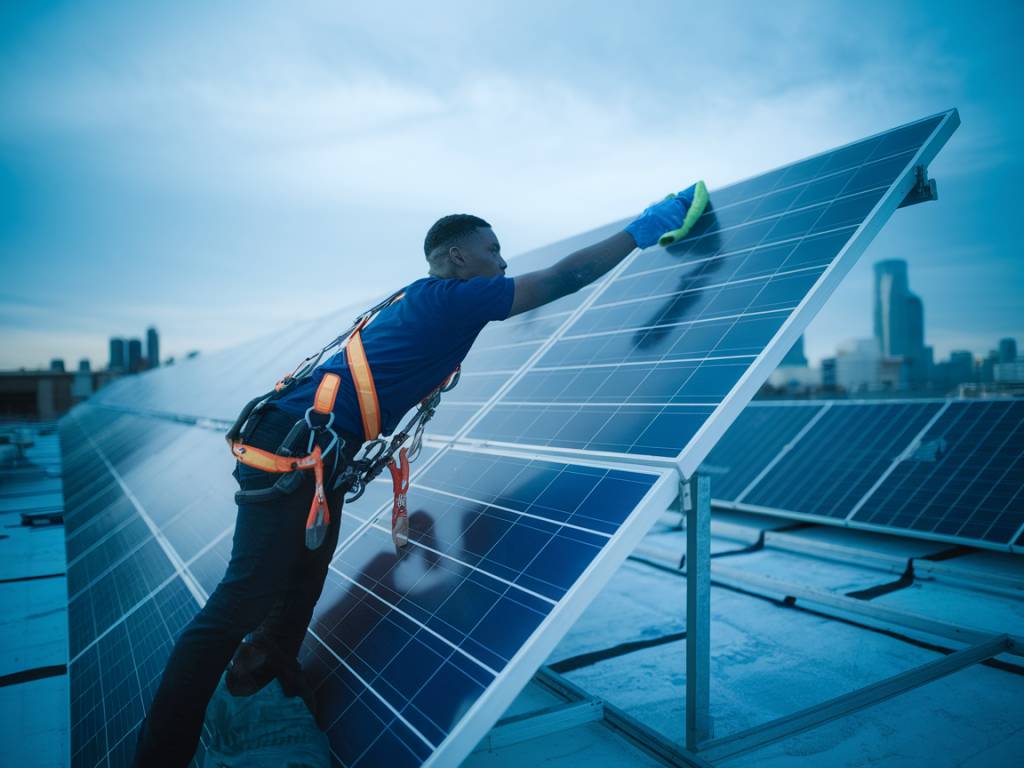
Regular maintenance is relatively simple but essential. Clean solar panels periodically with water and a soft cloth to remove dust, pollen, or bird droppings. Even a thin layer of dirt can noticeably reduce energy production. Inspect fixtures for condensation, cracked housings, or loose wires. Replace batteries every few years if performance declines significantly after sunset.
Seasonal adjustments also matter. In winter, the sun is lower in the sky and days are shorter. Tilting panels to a steeper angle can increase energy capture. You might also move portable lights to sunnier spots or temporarily reduce the number of energy-intensive devices in use. In very cold climates, storing delicate equipment indoors during the off-season can extend its life.
Budget, Incentives, and Environmental Benefits of a Solar-Powered Garden
A well-designed solar-powered garden does require an initial investment, but running costs are minimal. Simple solar path lights and decorative lanterns are very affordable, while higher-end systems with separate panels and batteries have a higher upfront price. The lack of wiring and trenching, however, often compensates for these costs, especially in large or complex gardens.
For homeowners considering more advanced installations, such as a small off-grid system for lighting and pumps, it is worth checking local incentives. Some regions offer subsidies, tax credits, or reduced VAT for solar equipment. While these programs more commonly apply to rooftop solar for homes, certain off-grid systems or components may still qualify.
The environmental benefits are clear and measurable. Every watt of solar power used in your garden replaces electricity that would otherwise come from the grid, often generated from fossil fuels. By switching to solar garden lighting and solar water features, you lower your carbon footprint while creating a more pleasant outdoor space. Over time, these small changes accumulate, especially when combined with other eco-friendly practices such as rainwater harvesting, native planting, and composting.
For many people, though, the main value of a solar-powered garden goes beyond numbers. It is a tangible way to experience renewable energy in everyday life. Visitors see solar lights switching on at dusk, hear the gentle splash of a solar fountain, and feel comfortable under a pergola powered by sunlight. The garden becomes both a relaxing retreat and a quiet demonstration of how practical solar energy can be.
Whether you start with a few simple solar lights or commit to a fully integrated system with panels, batteries, and pumps, the principles remain the same: observe your site carefully, match equipment to your needs, choose quality components, and maintain them over time. In doing so, you create an outdoor space that is beautiful, functional, and largely powered by the sun.