


Why Winter Solar Panel Maintenance Matters in the UK
Solar panels are built to withstand harsh weather, but UK winter conditions still create real maintenance challenges. Cold temperatures, persistent rain, wind-driven debris, frost, and occasional snow can all affect solar panel performance over time. For homeowners and businesses that rely on solar PV systems, winter is the season when routine care becomes especially important.
Although solar panels do not need constant attention, they do benefit from seasonal inspection and basic upkeep. A well-maintained system is more likely to deliver strong energy output, avoid preventable damage, and remain efficient for many years. In the UK, where winter weather can change quickly, maintenance should focus on both protection and performance.
Winter solar panel maintenance is not only about cleaning. It also involves checking for physical damage, monitoring output, ensuring safe roof access, and spotting issues before they become expensive repairs. Small actions taken early can protect an entire solar PV installation.
How Snow, Frost, and Ice Affect Solar PV Systems
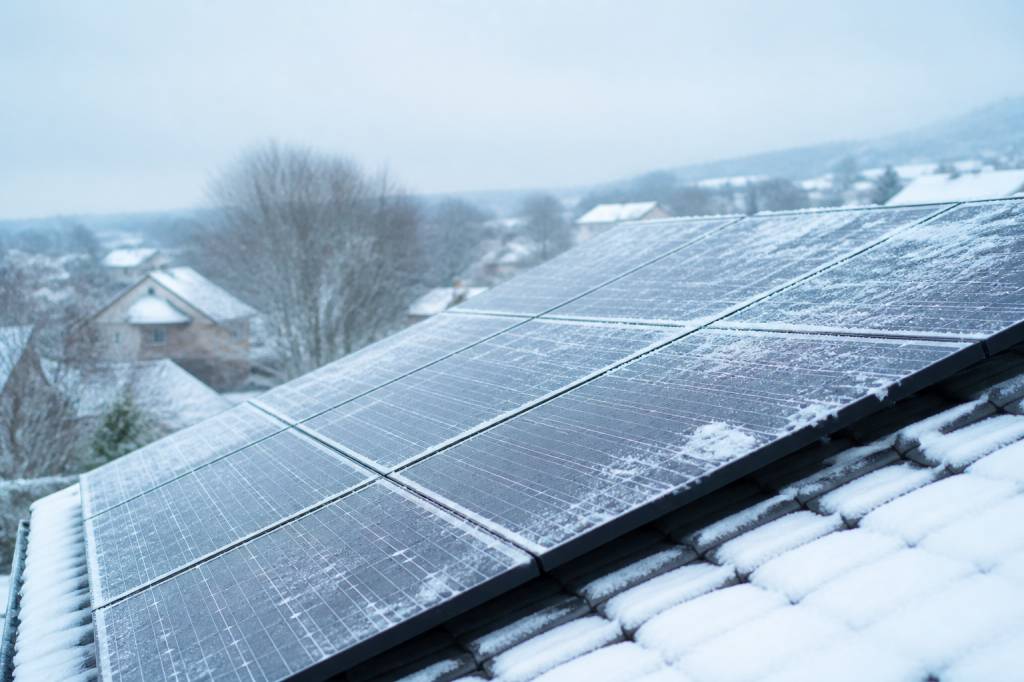
Snow is less common in many parts of the UK than in colder European countries, but when it does fall, it can temporarily reduce solar generation. A layer of snow blocks sunlight from reaching the panels. Even light snow can reduce efficiency until it melts or slides off the module surface.
Frost is another winter factor that should not be ignored. While frost itself does not usually damage modern solar panels, repeated freeze-thaw cycles can put stress on seals, frames, and mounting systems. This is especially relevant in areas that experience overnight freezing followed by daytime thawing.
Ice can be more problematic. It may form around panel edges, brackets, or roof fixtures. If water enters small gaps and freezes, it can expand and create long-term wear. Over time, this can affect panel integrity, cabling, and roof-mounted equipment. These risks are low when the system is properly installed, but winter inspections help reduce them further.
Inspecting Solar Panels Before the Cold Weather Arrives
Preventive maintenance is always easier than emergency repairs. Before the coldest months begin, it is sensible to inspect the full solar panel system. This includes the panels themselves, the mounting structure, wiring, inverter, and any visible roof penetrations.
Look for signs of wear such as cracked glass, loose frames, damaged seals, corrosion, or discolouration. These issues can become worse during winter, especially when exposed to wind, rain, and temperature fluctuations. A visual check from ground level may reveal obvious problems, but a professional inspection is often the safest and most thorough option.
If your system includes monitoring software, compare current output with previous seasonal performance. A noticeable drop in generation may point to dirt buildup, shading issues, inverter faults, or panel damage. Tracking performance trends is one of the most effective ways to identify maintenance needs early.
Safe Solar Panel Cleaning in Winter
Cleaning solar panels in winter must be approached carefully. Panels can become slippery, roofs are often wet, and low temperatures increase the risk of accidents. Safety should always come first. In many cases, rooftop cleaning is better left to trained professionals, particularly on steep or high roofs.
For ground-mounted systems or panels that are safely accessible, light cleaning may be useful if dirt, leaves, bird droppings, or road grime have built up. Winter rain helps wash away some debris, but it does not remove everything. A dirty solar panel surface can reduce energy output, especially when daylight hours are already limited.
Use soft tools and non-abrasive cleaning methods. Harsh chemicals, pressure washers, and metal scrapers should be avoided because they can damage the protective glass coating and anti-reflective surface. In cold weather, never pour hot water onto frozen panels, as sudden temperature changes may cause thermal stress.
Good winter cleaning practice includes:
- Using lukewarm water if cleaning is necessary
- Applying a soft sponge or microfiber cloth
- Avoiding cleaning during frost, ice, or strong winds
- Checking that all equipment is safely isolated if required by the installer
- Wearing suitable non-slip footwear and safety gear
Preventing Weather Damage to Solar Panels and Roof Mounts
UK winter weather can be unpredictable. Strong gusts, heavy rain, sleet, and freezing conditions all place pressure on solar installations. The panels themselves are engineered to tolerate exposure, but the supporting components also need attention.
Roof mounts, clamps, brackets, and rail systems should be secure. If these parts become loose, panels may shift slightly during storms, which can create vibration, wear, or water ingress points. Even minor movement can shorten the lifespan of the system. A pre-winter inspection is the best time to confirm that every fixing is stable.
Water management also matters. Gutters, roof edges, and drainage areas should remain clear to prevent pooling or overflow near the array. Moisture that collects around the system can increase the chance of long-term roof damage. In older properties, this is especially important because roof materials may already be more vulnerable.
Where possible, check for branches that could fall onto the panels during storms. Trees close to the roof may create shade, trap moisture, or cause physical impact damage. Trimming overhanging branches before winter is a practical step that can improve both safety and performance.
Monitoring Solar Panel Performance During Short Winter Days
Winter naturally reduces solar generation in the UK. Days are shorter, the sun is lower in the sky, and cloud cover is more frequent. That said, solar PV systems should still produce measurable output. If performance drops sharply without a clear explanation, maintenance may be needed.
Monitoring systems are highly useful in winter because they help detect changes quickly. Compare daily, weekly, and monthly data rather than relying on a single day’s result. A temporary dip may be caused by weather, but a sustained reduction could indicate soiling, shading, inverter faults, or a cabling issue.
It is also worth checking whether snow, frost, or debris is covering the panels after severe weather. In some cases, output returns to normal once the obstruction clears naturally. In other cases, a persistent issue may require professional attention. Regular monitoring keeps the system visible, even when the weather is not cooperative.
When to Call a Solar Panel Maintenance Professional
Some maintenance tasks are simple, but others should be carried out by a qualified solar technician. This is especially true if the panels are difficult to access, the roof is steep, or there are electrical concerns. Winter conditions increase the danger of slips and falls, so professional support is often the safest choice.
Call a specialist if you notice cracked modules, broken mounts, exposed wiring, moisture inside the inverter, or a sudden drop in generation that cannot be explained by weather alone. A trained technician can assess the full solar PV system, test electrical components, and identify faults that are not obvious to the homeowner.
Professional maintenance may also include thermal imaging, electrical testing, torque checks on mounting hardware, and detailed cleaning. For larger commercial solar installations, scheduled winter servicing can be especially valuable because downtime can affect energy savings and operational planning.
Winter Solar Maintenance Tips for UK Homeowners
Keeping a solar panel system in good condition during the UK winter does not need to be complicated. A practical routine is usually enough to protect performance and reduce risk. The key is consistency.
Simple actions carried out at the right time can prevent larger problems later. This is particularly true for properties that experience regular frost, coastal weather, or exposure to high winds.
- Check system output regularly through your monitoring app or inverter display
- Inspect panels visually after storms or heavy snow
- Remove visible debris only if it is safe to do so
- Arrange a professional inspection before winter if the system has not been checked for a while
- Keep trees, gutters, and roof drainage areas clear
- Watch for warning lights or error messages on the inverter
- Make sure roof access remains safe and never attempt risky cleaning in icy conditions
Choosing Solar Maintenance Products for Cold Weather Protection
Many homeowners look for products that support seasonal care. These may include soft-bristle solar cleaning tools, long-handled brushes, monitoring devices, or weather-resistant inverter covers designed for specific installations. Product choice should always be based on the system type and the manufacturer’s recommendations.
It is important not to use generic cleaning or roofing products without checking compatibility first. The wrong cleaner, sealant, or accessory can create more harm than good. When buying solar maintenance products, look for items specifically suited to photovoltaic systems and outdoor electrical equipment.
For customers comparing products online, useful search terms include solar panel cleaning kit, winter solar maintenance tools, PV system monitoring, roof-safe solar accessories, and weatherproof solar equipment. These keywords often help users find relevant solutions faster, especially when preparing for the colder months.
Protecting Solar Panel Efficiency Through the Winter Months
Winter solar panel maintenance in the UK is ultimately about preserving efficiency, safety, and long-term value. A solar PV system is a durable investment, but it still benefits from seasonal attention. Snow, frost, and weather damage are manageable risks when the system is inspected and monitored properly.
With a sensible maintenance routine, panels can continue producing clean electricity even through the darkest months of the year. Regular checks, safe cleaning, strong mounting hardware, and timely professional support all contribute to reliable winter performance.
For homeowners and businesses alike, winter is not a time to ignore solar energy. It is a time to protect it. A careful approach now can help keep your solar panels efficient, secure, and ready to perform when the brighter months return.