


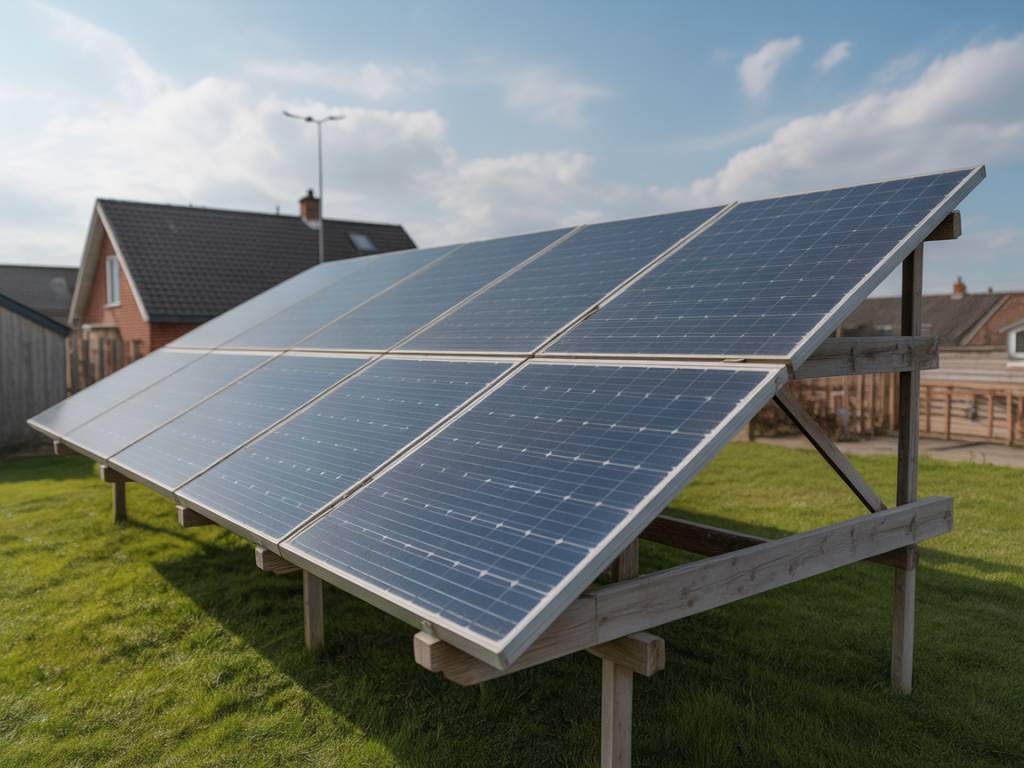
Solar panel recycling and end-of-life management in the UK: why it matters
Solar panels are designed to last a long time. Most residential photovoltaic (PV) systems installed in the UK today come with performance warranties of 20 to 25 years, and many panels continue to generate electricity well beyond that. As solar adoption grows rapidly across the country, an important question is emerging: what happens to solar panels at the end of their life?
For UK homeowners, solar panel recycling and responsible end-of-life management are becoming central topics. They affect not only environmental impact, but also future regulations, potential costs and even property resale value. Understanding how the recycling system works today – and how it is likely to evolve – can help you make more informed decisions about your solar investment.
How long do solar panels last, and when do they need recycling?
Modern crystalline silicon solar panels, which dominate the UK residential market, typically have:
-
Product warranties of 10–15 years against manufacturing defects
-
Performance warranties of 20–25 years, guaranteeing around 80–85 % of original output after this period
This does not mean your system suddenly stops working on its 25th birthday. In practice, panels degrade slowly, usually losing about 0.3–0.8 % of efficiency per year. Many continue to operate for 30 years or more, especially if they have been installed correctly and maintained properly.
End-of-life management therefore does not usually involve sudden “scrapping” of panels, but rather a staged process:
-
Some panels may be replaced early because of damage, shading issues or system upgrades.
-
Others will stay in place until they no longer produce enough energy to justify keeping them in service.
In both scenarios, proper solar panel disposal and recycling is essential to avoid unnecessary landfill and to recover valuable materials.
What are solar panels made of, and why recycle them?
Understanding the composition of a typical solar panel helps to explain why PV module recycling is attracting so much attention worldwide. A standard crystalline silicon panel contains:
-
Glass – usually 60–75 % of the total weight
-
Aluminium frame – 10–20 %
-
Silicon cells – about 3–10 %
-
Plastics (encapsulant and backsheet) – around 10 %
-
Small quantities of metals such as copper, silver and sometimes tin or lead in older modules
Most of these materials are recyclable. Aluminium and glass, in particular, have well-established recycling markets. Silicon can be recovered and purified for use in new panels or in other industries. Even the trace amounts of precious metals can be captured in specialised facilities.
Recycling solar panels in the UK is important for several reasons:
-
Reducing waste: As more households install rooftop solar PV, end-of-life volumes will increase significantly over the next decade. Landfilling panels would put unnecessary pressure on waste systems.
-
Conserving resources: Recovering glass, aluminium and silicon lowers the need for virgin raw materials and reduces the overall environmental footprint of the solar supply chain.
-
Managing hazardous substances: While most household PV panels are relatively benign compared with other electronics, some older or thin-film technologies can contain small amounts of potentially harmful elements if not handled correctly.
-
Supporting a circular economy: Solar panel recycling and refurbishment can create new business opportunities, jobs and innovation in the UK clean energy sector.
UK regulations: are solar panels considered WEEE?
In the UK, solar panels are classified as electrical and electronic equipment (EEE) and fall under the Waste Electrical and Electronic Equipment (WEEE) Regulations. These rules are designed to ensure that manufacturers and importers take responsibility for the products they place on the market, including at the end of their life.
For homeowners, the key points are:
-
Producer responsibility: Manufacturers, importers or distributors that place solar panels on the UK market must register and finance the collection and treatment of waste panels under the WEEE scheme.
-
Authorised treatment facilities: End-of-life solar panels should be handled by WEEE-compliant recycling centres or specialised PV recycling facilities, not by general household waste streams.
-
Installer obligations: In many cases, the installer or supplier who replaces your system will arrange collection and proper disposal of the old panels, in line with WEEE requirements.
The details of enforcement and reporting mostly concern businesses, not households. However, understanding that your solar panels are covered by WEEE can help you ask the right questions when buying a new system or planning a replacement.
How solar panel recycling works in practice
Solar panel recycling is still a relatively new industry, but the underlying processes are similar to those used for other electronic waste. For crystalline silicon panels, recycling usually involves several steps:
-
Collection and transport: Panels are removed from rooftops or ground mounts, consolidated and sent to a licensed treatment facility.
-
Dismantling: The aluminium frame, junction box and cables are separated from the glass laminate. These components are often the easiest to recycle.
-
Glass and silicon recovery: The remaining laminate, which contains glass, silicon cells and plastics, is processed mechanically and sometimes thermally or chemically to separate the different materials.
-
Metal extraction: Tiny amounts of silver, copper and other metals can be recovered using specialist processes, especially when volumes are high enough.
Recycling rates vary depending on the technology and facility, but modern processes can recover the majority of a panel’s weight, particularly the glass and aluminium. Research projects in Europe are working towards even higher recovery rates and better economic performance.
Options for UK homeowners at the end of solar panel life
If you are a UK homeowner with an existing solar PV system, you may be wondering what your practical options are when your panels eventually reach the end of their useful life. At present, several pathways exist:
-
Re-use and second-life applications: Panels that still produce a reasonable amount of power but are no longer needed on your property can sometimes be re-used. They may be sold, donated or repurposed for lower-demand applications, such as sheds, off-grid cabins or educational projects.
-
Refurbishment: Some companies specialise in testing, grading and refurbishing used solar panels. These modules are then resold, usually at lower prices, to budget-conscious customers.
-
Professional recycling: If panels are damaged, heavily degraded or simply no longer viable to use, they should be sent to a WEEE-compliant recycling facility. In many cases, your installer or a specialist waste contractor will coordinate this.
What you should avoid is treating solar panels like general waste. They should not be sent to landfill or handled by non-specialist scrap operators, as this can lead to material loss and unsafe disposal practices.
Costs and logistics of solar panel disposal in the UK
At the household level, the cost of solar panel recycling is often bundled into broader project costs, such as system replacement or roof work. You may encounter:
-
Removal costs: Labour and equipment to safely remove panels, mounting structures and wiring.
-
Transport fees: Collection and transport to a recycling or treatment facility.
-
Recycling or processing charges: Some facilities may charge fees per panel or per tonne, while others recover costs through material sales, depending on market conditions.
Because producer responsibility schemes are still developing for solar in the UK, cost structures can change over time. When planning a system upgrade or decommissioning, it is worth requesting a detailed quote and asking specifically how end-of-life panels will be handled.
In the medium term, as more panels reach retirement age, economies of scale are expected to improve. This could make solar panel recycling in the UK more efficient and potentially less costly.
What UK homeowners should ask installers and suppliers
Whether you are installing a new solar PV system or replacing an older one, a few targeted questions can help you ensure responsible end-of-life management:
-
Are your products covered under the UK WEEE Regulations? Confirm that the manufacturer or supplier participates in an approved compliance scheme.
-
What happens to my panels at end of life? Ask installers how they plan to manage removal, collection and recycling in future, and whether this is outlined in your contract.
-
Do you work with certified recycling or treatment facilities? Look for evidence that they collaborate with licensed WEEE centres or specialist PV recyclers.
-
Are there options for re-use or resale? For panels that are still functioning, find out whether they can be refurbished or re-used before recycling is considered.
Taking these steps does not require additional technical expertise. It simply ensures that environmental and regulatory aspects are considered alongside financial returns and energy performance.
Environmental impact and circular economy benefits
One of the strengths of solar PV is that the environmental impact of manufacturing is offset over time by clean electricity production. In the UK, most rooftop systems pay back their “embedded” carbon within a few years. End-of-life management can further improve this balance.
By prioritising solar panel recycling and responsible disposal, homeowners contribute to:
-
Lower lifecycle emissions for solar electricity
-
Reduced demand for raw materials such as bauxite (for aluminium) and silica (for glass and silicon)
-
Less pollution linked to mining, processing and waste disposal
-
Development of local recycling industries and skills within the UK
These benefits align closely with wider UK objectives on net zero, resource efficiency and circular economy strategies. As regulations tighten and technologies improve, the material recovery from solar panels is likely to become an increasingly important part of the renewable energy landscape.
Preparing for the future of solar panel recycling in the UK
The majority of residential solar panels in the UK have not yet reached the end of their useful lives, but the first wave of large-scale replacements is coming. As this happens, homeowners who are informed about end-of-life management will be better positioned to navigate both regulatory changes and market opportunities.
For anyone considering solar today, it is sensible to view recycling and disposal as part of the overall system lifecycle, alongside design, installation, maintenance and eventual upgrade. Choosing reputable suppliers, keeping documentation and understanding your options will make the transition smoother when your panels finally retire from your rooftop.
Solar energy remains one of the most effective tools for decarbonising UK homes. Ensuring that panels are recycled responsibly at the end of their life simply extends the environmental benefits that attracted many homeowners to solar in the first place.