


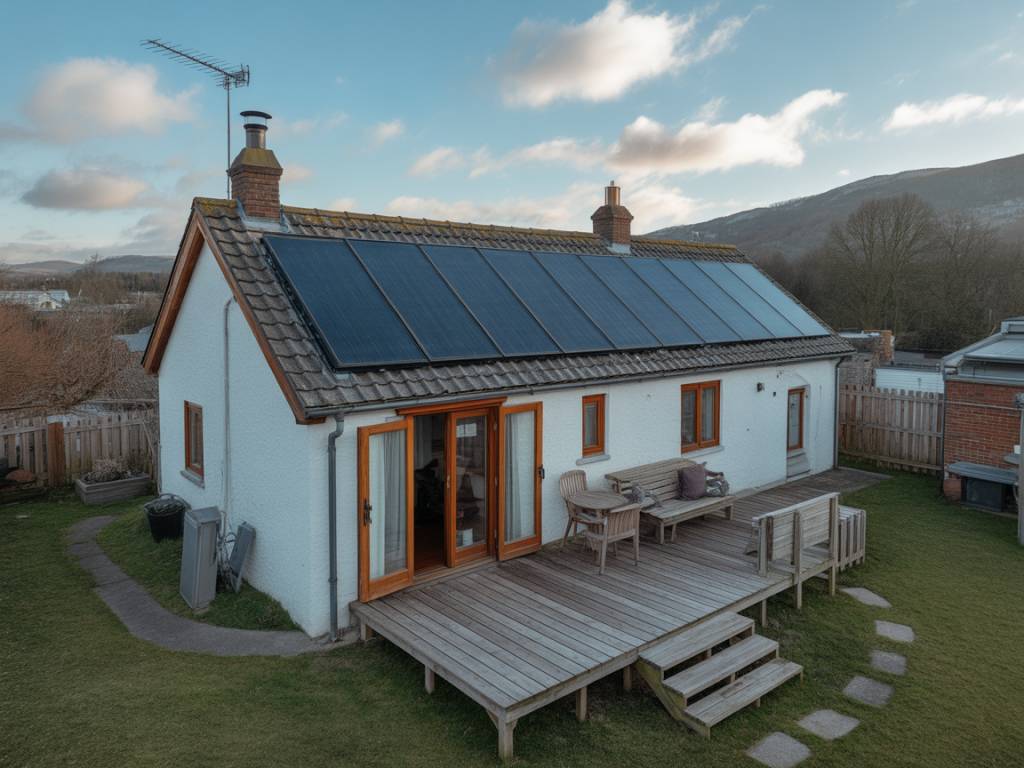
Solar-Powered Home Heating in the UK: Understanding the Basics
Solar-powered home heating in the UK is no longer a futuristic concept. Falling solar panel prices, improved heat pump technology and rising gas and electricity costs are pushing homeowners to ask a simple question. Can solar panels really keep a British home warm all winter?
The answer is nuanced. Solar panels can significantly reduce your heating bills and carbon footprint, but they rarely work alone. Especially in the UK, where winter sunlight is limited and demand for space heating is high, solar-powered heating systems usually combine several technologies. Photovoltaic (PV) panels, air source or ground source heat pumps, solar thermal panels, thermal stores and sometimes battery storage work together as an integrated system.
Understanding how these pieces fit is essential before you invest in any equipment. A well-designed solar-powered heating system can provide most of your annual heating, but performance depends heavily on your home, location and lifestyle.
How Solar Panels Work for Home Heating in the UK
Most homeowners are familiar with roof-mounted solar panels that generate electricity. These are photovoltaic panels, or solar PV. They produce electricity that can power electric heating systems and heat pumps. There is a second, less common technology: solar thermal panels. These do not generate electricity. Instead, they directly heat a fluid that transfers heat to your hot water cylinder or thermal store.
In a UK domestic setting, three main solar-powered heating strategies are common:
-
Solar PV + Electric Heating: Using solar panels to run electric radiators, infrared panels or underfloor heating mats.
-
Solar PV + Heat Pump: Combining solar electricity with an air source or ground source heat pump to supply both space heating and hot water.
-
Solar Thermal + Boiler or Heat Pump: Using solar thermal panels to help pre-heat water, reducing the load on your primary boiler or heat pump.
Of these options, solar PV with a heat pump is increasingly seen as the most efficient path to low-carbon home heating in the UK. Solar thermal can still play a role, especially in homes with high hot water demand, but solar PV offers more flexibility. You can use PV power for lighting, appliances, immersion heaters, home EV charging and more, not only heating.
Solar-Powered Heating and the UK Winter Sunlight Challenge
The biggest question is seasonal. Solar panels generate less electricity during the months when you most need heating. UK solar generation can drop by more than 70% from a bright June day to a gloomy December one. Shorter days, lower sun angles and frequent cloud cover all contribute.
This seasonal mismatch is the core challenge for solar-powered home heating in the UK. In summer, a typical PV system might easily cover all your electrical needs and still export surplus to the grid. In deep winter, the same system may provide only a fraction of the power required for space heating and hot water. This does not mean solar panels are pointless for heating. It does mean that expectations and system design must be realistic.
Solar panels in the UK should be viewed as a way to reduce your annual heating energy demand and heating bills, rather than as a stand-alone replacement for all winter heating. Careful planning, energy-efficient building fabric and smart controls make a huge difference.
Combining Solar Panels with Heat Pumps for Efficient Winter Heating
Pairing solar panels with a heat pump is one of the most effective strategies for solar-powered home heating in the UK. Heat pumps do not create heat from electricity in the same way as an electric heater. Instead, they move heat from outside air or the ground into your home. Because of this, they can deliver three to four units of heat for every unit of electricity consumed, sometimes even more at mild outdoor temperatures.
When solar PV powers a heat pump, each unit of solar electricity is effectively “multiplied”. For example, if a 5 kW PV system is generating 3 kW on a sunny winter midday, and your heat pump has a seasonal coefficient of performance (SCOP) of 3, that electrical power can translate to roughly 9 kW of heat output. For well-insulated homes, that can cover a meaningful portion of daytime heating demand in shoulder seasons and sunny winter days.
However, nights and overcast days remain a challenge. Without large-scale storage, your heat pump will usually draw power from the grid when the sun is not shining. For many homeowners, this is still acceptable. Solar PV significantly reduces overall annual electricity usage, while the heat pump remains much more efficient than a gas boiler in carbon terms, particularly as the UK grid continues to decarbonise.
The Role of Insulation, Airtightness and Low-Temperature Heating
Even the best solar-powered heating system will struggle in a poorly insulated home. In the UK, thousands of properties were built long before modern energy standards existed. That means high heat losses through walls, roofs, windows and floors. Before sizing solar panels or choosing a heat pump, it is crucial to tackle the building fabric.
-
Wall insulation: Cavity wall insulation, internal or external solid wall insulation can drastically reduce heat loss.
-
Roof and loft insulation: Often the most cost-effective upgrade, as warm air naturally rises and escapes through poorly insulated roofs.
-
High-performance glazing: Double or triple glazing and draught-proofing reduce infiltration and cold downdraughts.
-
Airtightness improvements: Simple sealing measures around pipes, vents, windows and doors can significantly cut unwanted drafts.
Once your home loses less heat, you can use lower-temperature heating systems. Underfloor heating, oversized radiators or fan-coil units can operate efficiently at lower water temperatures. Low-temperature systems align well with heat pumps, improving their efficiency. They also make it more realistic for solar panels and thermal stores to handle a larger share of your winter heat demand.
Solar Thermal vs Solar PV for Home Heating in the UK
Some homeowners consider solar thermal panels specifically for home heating. Solar thermal can deliver high-efficiency heat directly, especially for domestic hot water. In summer, a well-sized system can often cover the majority of hot water needs. In winter, however, output falls sharply, just like solar PV. For space heating, the typical UK roof area and available sunlight are usually insufficient to provide full winter coverage, unless the property is exceptionally well insulated and heating demand is low.
Solar PV has increasingly taken the lead as the preferred solar technology for home heating support in the UK because of its flexibility. Key advantages of PV include:
-
Versatility: Power heating, hot water, appliances, EV charging and more.
-
Ease of integration: No need for special plumbing circuits; PV links into your existing electrical system.
-
Falling costs: PV panel prices have dropped significantly over the past decade, improving payback times.
-
Compatibility with batteries: You can combine PV with home battery storage to use more of your solar generation for heating during evenings.
Solar thermal remains interesting for specific cases. A rural home with large hot water demand and space for a big thermal store can benefit. But for broad, scalable solar-powered heating across UK housing, solar PV plus heat pump is increasingly seen as the central path.
Can Solar Panels Alone Keep You Warm All Winter in the UK?
For most typical UK homes, the straightforward answer is no. Solar panels alone, without support from the grid or another backup heat source, cannot reliably keep a house warm all winter. The combined effect of limited winter sunshine, high seasonal heating demand and the constraints of typical roof areas make full self-sufficiency extremely challenging.
There are exceptions. Highly energy-efficient “Passivhaus” standard homes with exceptional insulation, airtightness and mechanical ventilation with heat recovery can require very little active heating. In such homes, a modest solar PV system combined with a small heat pump or electric heater might meet nearly all annual heating demand. Some off-grid eco-homes achieve near-complete independence using a combination of solar, biomass backup and large thermal stores.
However, these examples are not representative of the current UK housing stock. For an average semi-detached or terrace house, solar panels should be seen as a powerful supplement. They can meaningfully cut annual heating bills, reduce reliance on gas and carbon-intensive electricity and improve resilience to future energy price shocks. But complete winter independence from the grid remains ambitious and expensive with current technologies.
Maximising the Benefits of Solar-Powered Home Heating
While solar panels may not fully replace winter heating in the UK, there are practical strategies to maximise their contribution and improve return on investment.
-
Right-size your solar PV system: Oversizing beyond your realistic annual consumption may not be cost-effective, especially under current export tariffs.
-
Invest in smart controls: Time heating and hot water production to coincide with solar generation peaks as much as possible.
-
Consider a thermal store: A well-insulated hot water or buffer tank can store daytime solar heat for evening use, reducing peak grid demand.
-
Look at battery storage: A home battery can shift solar electricity into the evening period for heat pumps or electric heaters, though economics vary case by case.
-
Reduce overall heat demand: Insulation, airtightness and behavioural changes often provide faster payback than more panels.
Policy incentives such as the Boiler Upgrade Scheme and zero VAT on domestic solar installations can also influence the business case. Keeping an eye on local grants, grid export tariffs and emerging heat pump tariffs is important when planning a solar-powered heating upgrade.
Is Solar-Powered Home Heating in the UK Worth It?
For many UK households, integrating solar panels into their home heating strategy is increasingly attractive. While solar PV alone will not keep most homes warm through the darkest winter months, it can substantially cut annual heating costs and emissions when combined with efficient electric heating or heat pumps. The long-term trend of rising fossil fuel prices and tightening carbon policies makes low-carbon heating investments more compelling.
Solar-powered home heating in the UK is best approached as a system-level decision. Think about your roof, your insulation, your radiators or underfloor heating, your current boiler or heat pump and your future plans for electric vehicles or battery storage. When these pieces are aligned, solar panels can be a powerful tool to keep your home more comfortable, more affordable to run and significantly lower in carbon over the long term, even through the challenging British winter.